
Hajj Rituals and Their Significance: A Complete Guide for Pilgrims
Hajj is one of the greatest acts of worship in Islam. It is a sacred journey to Makkah that reflects complete submission to Allah, deep spiritual devotion, and unity among Muslims worldwide. Every year, millions of believers travel to perform Hajj, fulfilling one of the five pillars of Islam and responding to a divine call that has continued since the time of Prophet Ibrahim (AS).
This blessed pilgrimage is not only a physical journey. It is also a journey of the heart. Through every ritual, a Muslim is reminded of faith, sacrifice, humility, patience, and accountability before Allah. Understanding the sequence of Hajj rituals and their meaning helps pilgrims perform this obligation with greater confidence, sincerity, and spiritual awareness.
What Is Hajj in Islam?
Hajj is a compulsory act of worship for every Muslim who is physically and financially able to perform it at least once in life. It takes place during specific days in Dhul Hijjah, the final month of the Islamic calendar. Hajj is more than traveling to a holy place. It is a powerful expression of obedience, worship, equality, and devotion to Allah.
When pilgrims leave their homes for Hajj, they leave behind many worldly concerns. They enter a sacred state, perform prescribed rituals, and dedicate themselves to the remembrance of Allah. This is why Hajj remains one of the most transformative experiences in a Muslim's life.
The Historical Origin of Hajj Rituals
The rituals of Hajj are deeply connected to the legacy of Prophet Ibrahim (AS), his wife Hajar (AS), and their son Ismail (AS). Allah commanded Prophet Ibrahim (AS) to build the Kaaba with his son Ismail (AS), making it a place of worship for humanity. The running between Safa and Marwah recalls Hajar's desperate search for water for her son, and the blessed spring of Zamzam stands as a lasting sign of Allah's mercy.
Later, Prophet Muhammad (PBUH) restored and clarified the rituals of Hajj during his Farewell Pilgrimage. Through his teachings and example, Muslims learned how to perform Hajj properly, with pure tawhid and sincere devotion.
The Main Rituals of Hajj
Hajj includes pillars, obligations, and recommended acts. Each part has its own importance, and together they form one of the most meaningful acts of worship in Islam.
Ihram
Ihram is the sacred state a pilgrim enters before beginning Hajj. It is a state of purity, humility, and readiness for worship. For men, it includes wearing a simple unstitched white cloth. For women, it means entering the sacred state in modest Islamic dress.
Ihram teaches an important lesson: before Allah, worldly status has no value. Wealth, fashion, and social identity are left behind. The pilgrim stands before Allah as a servant in need of mercy.
Tawaf
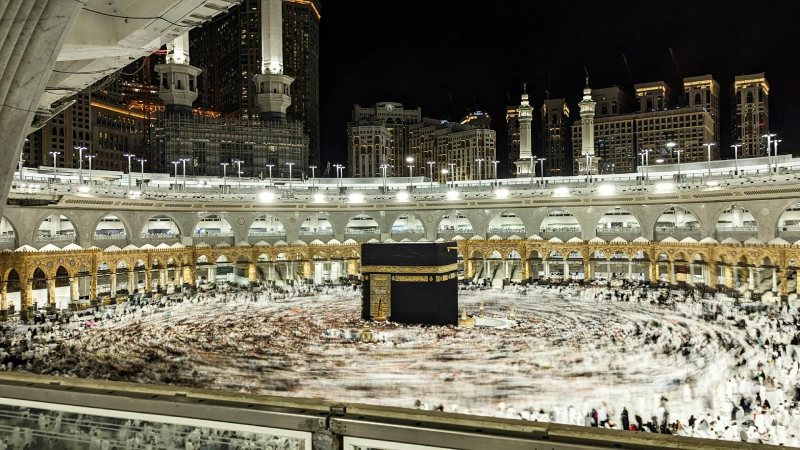
Tawaf means circling the Kaaba seven times in worship. This act is one of the most moving moments of Hajj. Pilgrims from every background move together around the House of Allah, showing unity, love, and obedience.
Tawaf reminds the believer that Allah should be the center of life. Just as the pilgrim circles the Kaaba with focus and devotion, the heart of a Muslim should revolve around the remembrance and obedience of Allah.
Sa'i
Sa'i is the walking between the hills of Safa and Marwah. It honors the struggle of Hajar (AS), who searched for water with complete trust in Allah.
This ritual teaches patience, hope, and reliance on Allah. It reminds pilgrims that help may come after hardship, and Allah never abandons those who place their trust in Him.
Wuquf at Arafat
Standing at Arafat is the heart of Hajj and one of its greatest pillars. Pilgrims spend the day in dua, repentance, reflection, and remembrance of Allah.
This moment reminds believers of the Day of Judgment, when all humanity will stand before Allah. At Arafat, rich and poor, powerful and weak, known and unknown all stand the same way, asking for forgiveness and mercy.
Staying in Mina and Muzdalifah
Pilgrims stay in Mina and later in Muzdalifah as part of the journey of Hajj. These stages teach discipline, patience, and obedience. In Muzdalifah, pilgrims collect pebbles that will later be used in the stoning ritual.
Ramy al-Jamarat
Ramy means throwing pebbles at the Jamarat pillars. This act symbolizes rejection of Shaytan and resistance to temptation.
The lesson here is powerful. A Muslim must not only worship Allah, but also actively reject evil, pride, and sinful temptation in everyday life.
Qurbani
Animal sacrifice during Hajj honors the devotion of Prophet Ibrahim (AS), who was willing to sacrifice for the sake of Allah. This act represents submission, sincerity, and readiness to obey Allah above personal desire.
Farewell Tawaf
Before leaving Makkah, pilgrims complete a final tawaf. This farewell act closes the Hajj journey with remembrance, gratitude, and a deep emotional connection to the sacred land.
The Spiritual Significance of Hajj
Hajj is not only a journey of rituals. It is a journey of inner change. One of its greatest blessings is spiritual renewal. Pilgrims leave behind distractions and focus completely on Allah, seeking forgiveness and purification of the heart.
Hajj strengthens faith by reminding the believer that life is temporary and true success lies in obedience to Allah. It also builds humility, as pilgrims experience physical hardship, large crowds, and emotional moments that bring their souls back to their Creator.
For many Muslims, Hajj becomes a turning point in life. It softens the heart, renews intention, and inspires a stronger commitment to prayer, honesty, patience, and Islamic character.
Hajj as a Symbol of Unity and Equality
One of the most beautiful aspects of Hajj is its ability to unite Muslims from every race, country, language, and class. During Hajj, visible differences disappear. Pilgrims worship together, wear simple clothing, and share the same sacred space in devotion to Allah.
This unity is one of the strongest signs of Islam's universal message. Hajj reminds the Ummah that it is one community, linked by faith rather than nationality or status.
The Social and Moral Lessons of Hajj
Hajj teaches more than personal worship. It also teaches compassion, patience, discipline, and care for others. Pilgrims learn to live with crowds, show kindness, share space, and stay calm under pressure. The sacrifice of Qurbani also reflects generosity and concern for the needy.
The journey teaches that worship should improve character. A pilgrim who returns from Hajj should carry home lessons of humility, sincerity, and better conduct in family and community life.
Why Hajj Leaves a Lifelong Impact
The physical demands of Hajj, combined with its spiritual intensity, make it one of the most life-changing experiences for a believer. The pilgrim remembers standing at Arafat, the sight of the Kaaba, the tears of dua, and the feeling of unity with Muslims from around the world.
These memories are not meant to remain mere emotional moments. They are meant to shape the believer's life after returning home. A truly beneficial Hajj encourages a person to live with more taqwa, gratitude, patience, and love for Allah.
Final Thoughts
Hajj is one of Islam's greatest acts of worship and one of its most powerful spiritual experiences. Every ritual carries deep meaning, every stage offers a lesson, and every hardship holds reward. It is a journey built on obedience, sacrifice, remembrance, and sincere devotion to Allah.
By understanding the rituals of Hajj and their significance, pilgrims can perform this obligation with greater awareness and a deeper spiritual connection. Hajj is not just about completing actions. It is about returning to Allah with a humbled heart, renewed faith, and a stronger commitment to live as a true servant of the Creator. May Allah grant every Muslim the opportunity to perform Hajj and accept it as a Hajj Mabroor.