
Masjid Shaikhain in Madinah: History, Significance, and Visitor Guide
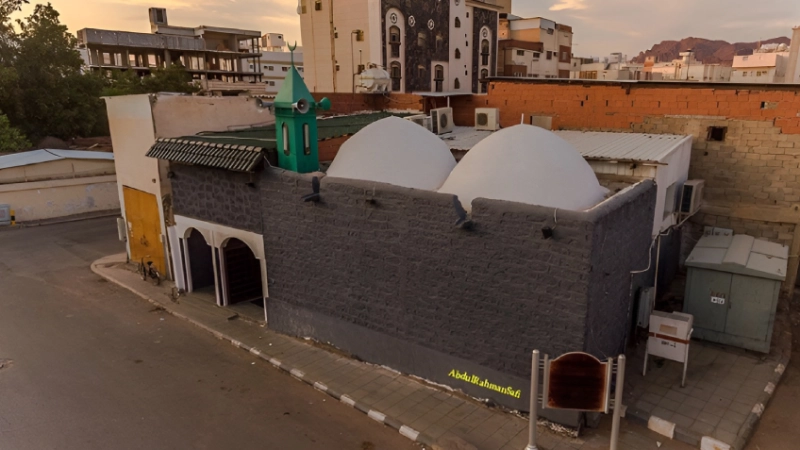
Masjid Shaikhain, also known as Masjid al-Dar'a, is one of the historically important mosques in Madinah. Though not as well-known as Masjid an-Nabawi or Masjid Quba, it holds deep significance for its connection to the Battle of Uhud, one of the most critical events in early Islamic history.
For pilgrims visiting Madinah, Masjid Shaikhain offers a meaningful opportunity to reflect on the sacrifices, strategy, and unity of the early Muslim community.
Historical Background of Masjid Shaikhain
Masjid Shaikhain marks the place where Prophet Muhammad ﷺ stayed and prayed before the Battle of Uhud. On the 14th of Sha'ban, 3 AH (625 CE), the Prophet ﷺ led multiple prayers at this location while preparing for the battle.
After leading the Friday prayer in Madinah, the Prophet ﷺ moved towards Uhud and spent the night there. During this time, he performed Asr, Maghrib, Isha, and Fajr prayers, while also organizing and preparing the Muslim army.
This location became a central gathering place for Muslims, including elders and women, as the community came together during a critical moment in Islamic history.
Events Before the Battle of Uhud
Masjid Shaikhain is also remembered for several important events that occurred during the battle's preparation phase.
The Prophet ﷺ carefully inspected the army and selected participants. Many young boys wished to join the battle but were initially turned back due to their age.
However, some were later allowed based on their abilities. For example:
- Rafe (RA) was accepted due to his skill in archery
- Samrah bin Jundub (RA) was allowed after proving his strength
These moments reflect the Prophet's wisdom, fairness, and emphasis on readiness and ability.
Another major event was the withdrawal of Abdullah bin Ubai, who left with around 300 followers. This significantly reduced the Muslim army, yet the believers remained firm in their trust in Allah and in the leadership of the Prophet ﷺ.
Significance of Masjid Shaikhain
Masjid Shaikhain is not just a physical location. It is a symbol of:
- Strategic planning before a major Islamic battle
- Unity and discipline among the companions
- Trust in Allah during difficult times
- Leadership of Prophet Muhammad ﷺ
It represents a moment when the Muslim community faced challenges but remained strong in faith.
Location of Masjid Shaikhain
Masjid Shaikhain is located in Madinah, between the city and Mount Uhud. It lies near other historical landmarks such as:
- Bani Haritha Mosque
- Al-Mistrah Mosque
This area is part of the broader Uhud historical zone, which is often included in Madinah ziyarah tours.
Architectural Features
Masjid Shaikhain is relatively small compared to major mosques, but it has been maintained for regular use.
Current features include:
- Approximately 100 square meters of area
- Covered prayer space
- Air-conditioned interior
- Facilities for daily prayers
Historical descriptions suggest that the mosque once had two domes and a larger open courtyard, reflecting traditional Islamic architecture.
Visiting Masjid Shaikhain
Masjid Shaikhain is a peaceful and less crowded mosque, making it ideal for reflection.
When visiting:
- Dress modestly according to Islamic guidelines
- Visit during non-peak hours for a calm experience
- Maintain silence and respect inside the mosque
- Use the visit as a moment to reflect on Islamic history
This mosque is often visited during guided Madinah ziyarah tours.
Nearby Historical Places to Visit
When visiting Masjid Shaikhain, you can also explore nearby important Islamic sites:
Mount Uhud
The battlefield of the Battle of Uhud and the resting place of many martyrs.
Bani Haritha Mosque
A historical mosque connected to the events around Uhud.
Al-Mistrah Mosque
A place where the Prophet ﷺ is believed to have rested.
These locations together provide a deeper understanding of the events surrounding Uhud.
Travel Tips for Pilgrims
To make your visit more meaningful:
- Learn the history of Uhud before visiting
- Travel with a knowledgeable guide
- Carry water and wear comfortable shoes
- Plan your visit early morning or late afternoon
- Respect the spiritual nature of the site
Accommodation and Travel Information
Most pilgrims stay near Masjid an-Nabawi, which offers easy access to all major sites.
Popular hotel options include:
- Pullman Zamzam Madinah
- Dar Al Taqwa Hotel
- Madinah Hilton
From Prince Mohammad Bin Abdulaziz International Airport:
- Distance: around 20 km
- Taxi cost: approximately SAR 50–70, depending on time and traffic
Frequently Asked Questions
What is Masjid Shaikhain known for?
It is known as the place where Prophet Muhammad ﷺ prayed and prepared for the Battle of Uhud.
Where is it located?
It is located between Madinah city and Mount Uhud.
Is it still active today?
Yes, daily prayers are still performed there.
Can pilgrims visit this mosque?
Yes, it is accessible and often included in ziyarah tours.
Travel with Zamzam Travels BD
Zamzam Travels BD offers guided ziyarah tours in Madinah, including visits to Masjid Shaikhain and other historical landmarks.
Our services include:
- Complete Hajj and Umrah packages
- Guided Islamic history tours
- Comfortable hotel arrangements
- Reliable transport services
We aim to make your journey spiritually enriching and stress-free.
Final Thoughts
Masjid Shaikhain is a powerful reminder of a critical moment in Islamic history. It reflects the strength, unity, and faith of the early Muslim community during the Battle of Uhud.
Visiting this mosque allows pilgrims to connect deeply with the past and understand the sacrifices made for Islam. It is not just a visit—it is a lesson in faith, patience, and trust in Allah.