
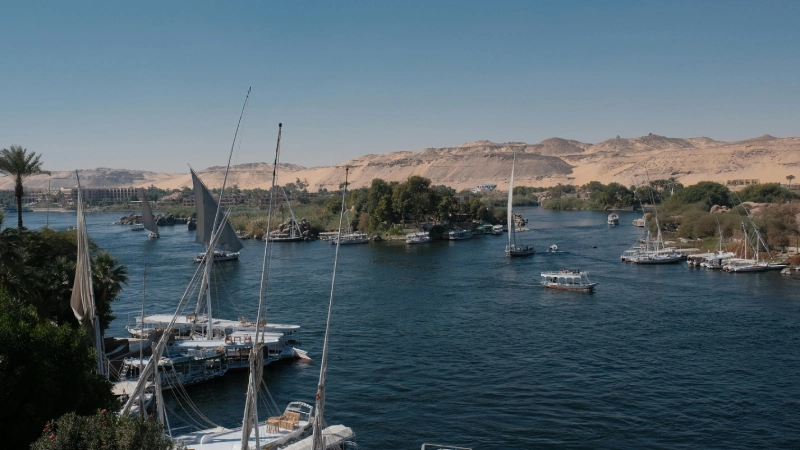
Nile River Facts: 25 Powerful Insights About the World’s Most Historic River
The Nile River is one of the most extraordinary natural wonders on earth. Flowing through northeastern Africa, it has shaped civilizations, cultures, and livelihoods for thousands of years. Often called the “River of Life,” the Nile continues to support millions of people across countries like Egypt, Sudan, and Uganda.
From ancient empires to modern societies, the Nile has remained a constant source of water, food, and inspiration. In this article, we explore 25 fascinating facts that reveal why this iconic river holds such a powerful place in history and human life.
The Length and Power of the Nile River
The Nile River is widely considered the longest river in the world, stretching over 6,650 kilometers.
It flows from East Africa all the way to the Mediterranean Sea, crossing multiple countries and landscapes. This immense length has made it one of the most influential rivers in human history.
Its continuous flow has allowed civilizations to thrive in regions that would otherwise be dry and uninhabitable.
Two Main Tributaries That Form the Nile
The Nile is formed by two major tributaries: the White Nile and the Blue Nile.
The White Nile is the longer stream and provides a steady flow of water throughout the year. The Blue Nile, which originates in Ethiopia, contributes most of the water during the rainy season.
These two rivers meet in Sudan, creating the powerful flow that continues northward into Egypt.
A Lifeline for Multiple Nations
The Nile passes through eleven countries, making it one of the most internationally significant rivers in the world.
Millions of people depend on it for drinking water, agriculture, transportation, and daily life. In Egypt alone, about 95 percent of the population lives along the Nile.
Without this river, life in these regions would be extremely difficult.
The Foundation of Ancient Egyptian Civilization
The Nile River played a central role in the rise of ancient Egypt.
Its annual flooding deposited nutrient-rich soil along its banks, making the land highly fertile. This allowed the Egyptians to grow crops and build one of the most advanced civilizations in history.
The river was not only a source of survival but also a symbol of prosperity and divine blessing.
Natural Flooding and Fertile Land
In ancient times, the Nile flooded every year. These floods were essential for agriculture because they spread fertile silt across the land.
This natural irrigation system allowed farmers to grow crops consistently, supporting large populations and stable societies.
Today, modern dams have changed this natural cycle, but its historical importance remains undeniable.
Lake Victoria and the Source of the Nile
Lake Victoria is often considered the primary source of the White Nile.
It is the largest lake in Africa and plays a key role in feeding the river system. From there, the water travels thousands of kilometers, sustaining life across multiple regions.
The Nile Delta: A Region of Abundance
The Nile Delta is one of the most fertile regions in the world.
Located in northern Egypt, this area supports extensive agriculture and dense populations. It has been a center of farming and human settlement for thousands of years.
The delta also plays a critical role in Egypt’s economy and food production.
Rich Biodiversity Along the Nile
The Nile River is home to a wide range of wildlife.
It supports fish species, birds, and reptiles, including the famous Nile crocodile. The river’s ecosystem is vital for maintaining biodiversity in the region.
This rich natural life makes the Nile not only historically important but also environmentally significant.
The Nile as a Transportation Route
For centuries, the Nile has been used as a major transportation route.
Ancient Egyptians relied on it to move goods, people, and armies. Even today, it remains an important pathway for travel and trade.
This long-standing use highlights the river’s practical importance in daily life.
The Aswan High Dam and Modern Development
The Aswan High Dam, built in 1970, plays a major role in controlling the Nile’s flow.
It helps prevent flooding, provides hydroelectric power, and supports irrigation systems. This has allowed Egypt to modernize its agricultural and energy sectors.
However, it has also changed the natural flooding cycle of the river.
Cultural and Spiritual Importance of the Nile
The Nile has always held deep cultural significance.
In ancient times, it was considered a divine gift that brought life and prosperity. It inspired art, poetry, and religious beliefs across generations.
Even today, the river continues to be a symbol of life, abundance, and continuity.
Challenges Facing the Nile River Today
Despite its importance, the Nile faces several challenges.
Climate change is affecting water availability and increasing the risk of droughts and floods. Population growth and water demand have also created tensions among countries that share the river.
Managing this vital resource sustainably is one of the key challenges of the modern world.
A River That Continues to Inspire
The Nile River is more than just a geographical feature.
It is a symbol of survival, history, and human achievement. From ancient civilizations to modern nations, it has remained a constant source of life and inspiration.
Its story continues to evolve, reminding us of the importance of preserving natural resources and respecting the balance of nature.
Explore the Wonders of the Nile with Zamzam Travels BD
If you are planning to explore the historical and natural beauty of the Nile River along with your Middle East journey, Zamzam Travels BD can help you organize a seamless and enriching travel experience.
We offer complete travel services including visa processing, air tickets, hotel bookings, and guided tours. Our customized packages allow you to combine spiritual journeys with cultural exploration across destinations like Egypt and Turkey.
Start your journey today: https://zamzamtravelsbd.com/