
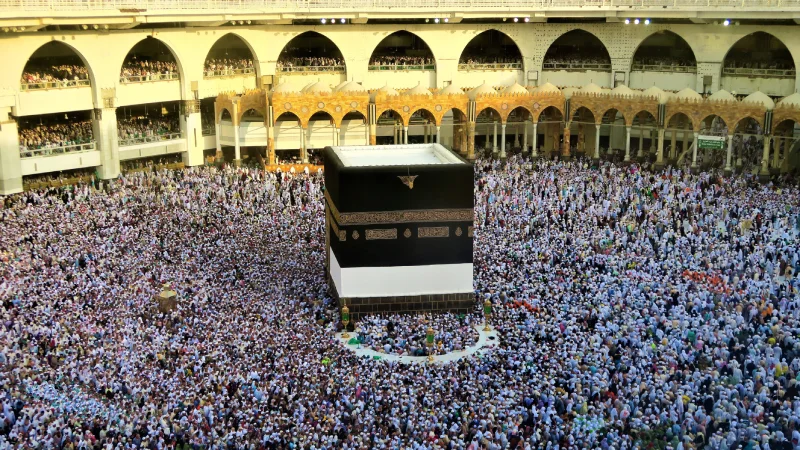
Top 5 Reasons to Perform Hajj in Your Lifetime
Hajj is one of the five pillars of Islam and one of the greatest acts of worship in a Muslim's life. Every Muslim who is able to do so physically and financially must do it once in their life. Its rites include ihram, tawaf, sa'i, standing at Arafah, staying in Muzdalifah, stoning the jamarat, and the farewell tawaf. (Islam-QA)
But Hajj is not only a duty. It is also a life-changing journey of tawhid, repentance, humility, sacrifice, and spiritual renewal. Scholars explain that Hajj is a symbol of tawhid, a reminder of the Hereafter, a lesson in unity, and a training in modesty and obedience. (Islam-QA)
In this guide, we will look at the top 5 reasons to perform Hajj in your lifetime and why this sacred journey matters so deeply.
Introduction to Hajj
Hajj is the pilgrimage to the Sacred House of Allah in Makkah, which is done according to the rules set out by the Prophet Muhammad. It is not simply a religious trip. It is a complete act of worship that combines the heart, body, time, and wealth in obedience to Allah. (Islam-QA)
That is why Hajj holds such a unique place in Islam. It is a pillar of faith, a visible sign of submission to Allah, and a journey that can leave a lasting mark on a believer's life. (Islam-QA)
1. Hajj Is a Path to Spiritual Purification
One of the greatest reasons to perform Hajj is the chance to return spiritually renewed. The Prophet ﷺ taught that the one who performs Hajj properly and avoids sinful and indecent behavior returns as if it were the day his mother gave birth to him, free from sin. The reward of Hajj Mabrur is Paradise. (Sunnah)
This is why Hajj is often described as a turning point in life. It lets a Muslim forget about their past mistakes, start over with a clean heart, and do so with honesty and hope.
2. Hajj Is a Powerful Opportunity to Seek Forgiveness
Hajj is a season of repentance, du'a, humility, and returning to Allah. A pilgrim leaves comfort behind, stands in sacred places, and spends days focused on worship, remembrance, and asking Allah for mercy. IslamQA notes that one of the great benefits of Hajj is that the pilgrim returns with sins forgiven. (Islam-QA)
This makes Hajj one of the greatest opportunities in a Muslim's life to seek Allah's Forgiveness with a sincere heart.
3. Hajj Deepens Your Connection with Allah
Every part of Hajj is an act of submission. The pilgrim wears simple clothing, repeats the talbiyah, circles the Kaaba, stands at Arafah, and follows the rituals as taught in the Sunnah. These acts train the soul to obey Allah with humility and love. (Islam-QA)
Scholars discussing the purpose of Hajj highlight tawhid as one of its greatest meanings. Hajj constantly reminds the believer that worship belongs to Allah alone. (Islam-QA)
4. Hajj Teaches Unity, Equality, and Brotherhood
One of the most remarkable benefits of Hajj is how it gathers Muslims from all nations, languages, and backgrounds for a sacred act of worship. IslamQA explicitly lists unity as one of the purposes of Hajj. (Islam-QA)
In ihram, worldly status fades. People stand side by side before Allah, wearing simple garments and following the same rites. This teaches equality, humility, and the true meaning of Muslim brotherhood.
5. Hajj Reminds You of the Hereafter and Changes Your Perspective
Hajj is not only a journey across distance. It is also a journey of reflection. Scholars explain that Hajj is a reminder of the Hereafter. The crowds, the plain of Arafah, the simplicity of ihram, and the intensity of worship all remind a believer of standing before Allah on the Day of Judgment. (Islam-QA)
For this reason, many people return from Hajj with a changed mindset. Their hearts soften, their priorities become clearer, and their focus shifts from distraction to worship, discipline, and a more meaningful life.
Importance of Hajj in Islam
Hajj is important because it is a pillar of Islam, not an optional spiritual extra. It becomes obligatory once in a lifetime for the able Muslim. The basic conditions include being Muslim, sane, adult, free, and able to do it. (Islam-QA)
Its importance is also seen in its reward. The Prophet ﷺ said that there is no reward for an accepted Hajj except Paradise. (Sunnah)
Benefits of Hajj
The benefits of Hajj are both spiritual and personal. The cited sources consistently highlight these benefits:
- Forgiveness of sins and spiritual cleansing (Islam-QA)
- stronger tawhid and closeness to Allah (Islam-QA)
- humility through simple living and shared worship (Islam-QA)
- unity with Muslims from around the world (Islam-QA)
- a lasting reminder of the Hereafter and accountability before Allah (Islam-QA)
The Rewards of Hajj in Hadith
Among the most famous hadiths on this topic are two powerful promises. First, the Prophet ﷺ said that from one Umrah to another is expiation for what is between them, and Hajj Mabrur has no reward except Paradise. Second, he taught that the pilgrim who avoids sinful and indecent conduct returns free from sins like a newborn. (Sunnah)
These narrations show why Hajj is one of the greatest opportunities of a lifetime.
Social and Personal Benefits of Hajj
Hajj builds discipline, patience, simplicity, gratitude, and self-control. It also strengthens the feeling of belonging to one Ummah. Scholars discussing the purposes of Hajj note that it trains a person to accept modest clothing and accommodation, which, in turn, is a lesson in humility and detachment from luxury. (Islam-QA)
Personally, many pilgrims experience Hajj as a deep reset. Socially, it reminds Muslims that they are one community worshipping one Lord.
FAQs
Why is Hajj important in Islam?
Because it is one of the five pillars of Islam and is obligatory once in a lifetime for the Muslim who is able. (Islam-QA)
What are the main rewards of Hajj?
Forgiveness of sins and the reward of Paradise for Hajj Mabrur. (Sunnah)
What are some of the purposes of Hajj?
Tawhid, unity, humility, and remembering the Hereafter are among its major purposes. (Islam-QA)
Does Hajj absolve a person of all responsibilities?
No. Hajj brings Forgiveness of sins, but it does not cancel unpaid debts or other rights and obligations that still must be fulfilled. (Islam-QA)
Conclusion
Hajj is one of the greatest journeys a Muslim can make. It is a pillar of Islam, a path to Forgiveness, a school of tawhid, a reminder of the Hereafter, and a powerful experience of unity and humility. Its reward is immense, and its impact can remain for a lifetime. (Islam-QA)
That is why performing Hajj should be on every able Muslim's list of life goals: not only because it is an obligation, but because it can transform the heart, cleanse the soul, and bring a person closer to Allah in a way few other experiences can. (Islam-QA)