
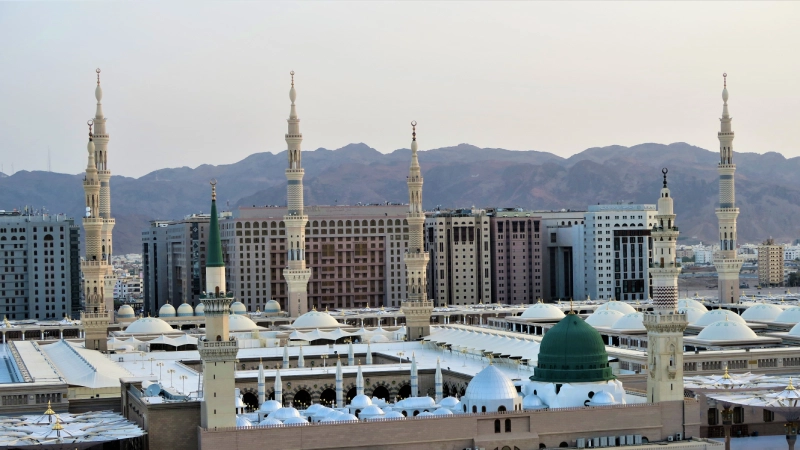
What to Avoid During Hajj and Umrah: Common Mistakes Pilgrims Should Know
Umrah and Hajj are two of the most beautiful trips a Muslim can take. They bring the heart closer to Allah, make room for true repentance, and remind a believer to be humble, patient, and devoted. Many pilgrims, however, make mistakes that could have been avoided because they don't learn the basic rules before they leave.
That is why it is important to know what to avoid during Hajj and Umrah before starting the journey. Some mistakes affect the beauty and reward of the pilgrimage, while others may affect the validity of certain rituals, especially during ihram and Tawaf. The rulings below are based on mainstream fiqh explanations from the sources you referenced, especially the summary of prohibited acts in ihram and related rulings on Tawaf and touching the Kaaba. (Islam-QA)
What to Avoid During Hajj and Umrah
Many pilgrims focus only on travel arrangements and forget that knowledge is part of preparation. The safest way is to learn the rituals before you leave home and to stay away from practices that are not supported by the Sunnah.
1. Rushing Through the Rituals
One of the most common mistakes is rushing through Tawaf, sa'i, or other acts of worship. Hajj and Umrah are not about finishing quickly. They are about taking the right action, being present in the heart, and sincere devotion. The pilgrim should walk slowly and not make sacred rituals into a race.
2. Ignoring the Spiritual Purpose
Crowds, exhaustion, heat, and travel stress can distract a pilgrim. But the goal of Hajj and Umrah is not simply movement from one place to another. It is worship. A pilgrim should fill the time with dhikr, du'a, reflection, and patience, instead of spending the whole journey in complaints, selfies, or unnecessary conversation.
3. Entering Ihram Without Learning Its Rules
A large number of mistakes happen because pilgrims do not learn the rules of ihram before travel. The basic prohibitions of ihram include removing hair, using perfume, sexual relations, intimate touching with desire, hunting game, and, for men, wearing tailored garments. For women, the niqab and gloves are not worn in ihram. (Islam-QA)
4. Incorrect Ihram Etiquette for Men and Women
For men, wearing stitched or body-fitted clothing such as shirts and trousers is not allowed in ihram. For women, modest, normal clothing is worn, but niqab and gloves should be avoided while in ihram. If non-mahram men are present, a woman may lower a loose covering over her face. (Islam-QA)
5. Using Fragrance During Ihram
Many pilgrims do not realize that perfume, scented products, or intentional fragrance use after entering ihram is prohibited. This applies to the body and clothing. Cleanliness is encouraged, but fragrance is avoided while in the state of ihram. (Islam-QA)
6. Starting Tawaf Carelessly
The Black Stone is where Tawaf should start, and it should make seven full circles. If you start casually from the wrong place, you might get confused when you count or not finish the circuit. Also, pilgrims shouldn't make Tawaf a loud, chanting group activity that annoys other people.
7. Touching or Kissing the Walls of the Kaaba
Some pilgrims think touching the walls, cloth, or other parts of the Kaaba brings special blessings. The Sunnah does not support this. What is established is that the Black Stone and the Yemeni Corner are touched, if possible. Other parts of the Kaaba are not to be touched as acts of devotion. (Islam-QA)
8. Pushing, Shoving, and Harming Others
Trying to force your way to the Black Stone, rushing through crowded places, or pushing others during tawaTawaf sa'i goes against the spirit of pilgrimage. Good manners are part of worship. Preserving another pilgrim's safety is more important than forcing a recommended course of action.
9. Thinking Every Ritual Requires a Fixed Group Du'a
Many pilgrims believe each round of Tawaf is a specific group recitation. Personal du'a in your own language is allowed, and silent remembrance is often better than loud group chanting that distracts other worshippers.
10. Ignoring Sa'i or Doing It Incorrectly
Sa'i between Safa and Marwah is a required part of Umrah and an essential part of Hajj in many fiqh explanations. But climbing high on the hills is not the main point. The pilgrim completes the laps correctly and calmly. Also, unlike tawa, tawafdu is not a condition for sa'i according to the cited ruling. (Islam-QA)
What Not to Do During Tawaf
Tawaf is one of the most sensitive parts of Umrah and Hajj. Mistakes here matter more than many pilgrims realize.
Do not cross into the flow recklessly. Do not stop suddenly in crowded lanes. Do not turn the tawaTawafo phone recording time. Do not scream du'as. And do not assume every touch of the Kaaba is Sunnah.
Another important point is purity. The majority of scholars consider wudu a condition for Tawaf, though there is a known scholarly difference on this issue. IslamQA notes both the majority view and the view favored by Ibn Taymiyah, which holds that wudu is not essential. Because of that difference, many pilgrims choose the safer view and renew wudu before continuing. (Islam-QA)
What Happens If You Fart During Umrah?
This question needs a careful answer.
If wind breaks your wudu during tawaTawaf, the majority view is that tawaTawaf does not continue without renewed purification, and some scholars say the tawaTawaf needs to be restarted if the interruption is significant. But there is also a scholarly opinion that wudu is not essential for tawaTawaf. Because of this difference, the safer approach is to step out, perform wudu, and then continue or repeat as needed, depending on the circumstances. (Islam-QA)
If this happens during sa'i, the sa'i remains valid because wudu is not a condition for sa'i. (Islam-QA)
Can You Wear Kohl During Ihram?
Your draft says Kohl is permissible as long as it is fragrance-free. This point should be treated with caution. The clearest rulings in the sources we checked focus on avoiding perfume and beautification-related matters in ihram, but they do not support making a blanket statement without qualification. It is better to avoid cosmetic use in ihram unless you are following a scholar or group guide who has explained the ruling for your specific case.
Getting Angry in Ihram
Anger does not automatically invalidate Umrah or Hajj, but it detracts from the essence of pilgrimage. Allah told pilgrims not to fight or do bad things during Hajj, and they are expected to act with dignity and self-control. So when anger rises, the pilgrim should stay quiet, think about Allah, and not hurt anyone else.
What Makes Umrah Invalid?
This needs precise wording.
Not every mistake invalidates Umrah. Some mistakes are sins, some require compensation, and some affect a specific ritual rather than the entire Umrah. Generally, Umrah becomes seriously defective if a required pillar, such as tawaTawafsa'i, is left incomplete, or if major ihram violations are committed in a way that affects the ritual itself. It is more accurate to say that some mistakes reduce reward, some require correction, and a few may affect validity.
Life After Umrah: A New Beginning
A good Umrah should leave a mark on the heart. One of the best signs of a beneficial pilgrimage is that a person returns more careful in prayer, softer in speech, more patient, and less interested in sin. The journey should not end at the airport. Its real fruit appears after returning home.
Practical Tips to Avoid Common Mistakes
Before you travel, learn the rules of ihram. Don't get too caught up in making content; instead, focus on worship. Be patient when you're in a crowd. Don't copy everything you see people doing near the Haram. If you're not sure, follow a guide who knows what they're doing. And whenever there is a scholarly difference, taking the safer path is often best for first-time pilgrims.
Conclusion
The best way to protect your Hajj and Umrah is not by panic, but by preparation. Most mistakes happen because pilgrims travel with emotion but without enough knowledge. If you learn the basic rulings, respect others, avoid innovations, and keep your heart focused on Allah, your journey becomes more peaceful and more rewarding.
May Allah accept every sincere pilgrim and grant a safe, correct, and blessed Hajj and Umrah.