
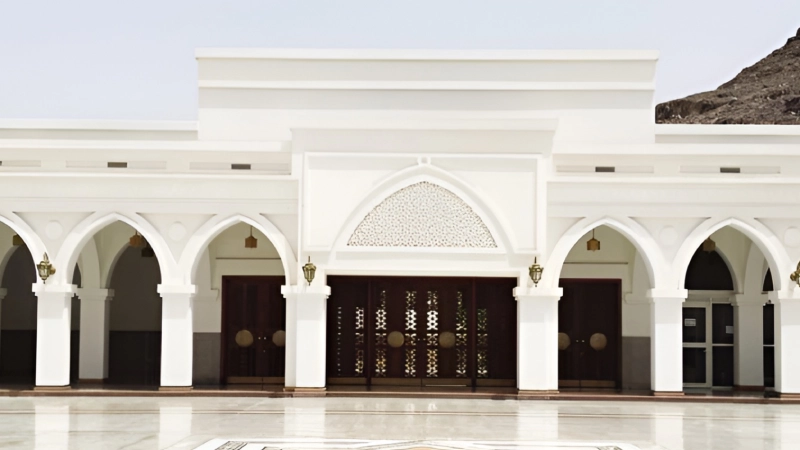
The Seven Mosques in Madinah: History, Significance and Spiritual Importance
Madinah, the city of the Prophet ﷺ, is filled with historical landmarks that reflect the early struggles and victories of Islam. Among these important sites are the Seven Mosques (Sab’u Masajid), a group of small but historically significant mosques connected to the Battle of the Trench (Ghazwat al-Khandaq).
These mosques are not only places of prayer but also symbols of faith, unity, and resilience. Visiting them allows pilgrims to connect deeply with the sacrifices and determination of the early Muslim community.
Historical Background of the Seven Mosques
The Seven Mosques are located near the western side of Mount Sala’ in Madinah. This area was part of the defensive line during the Battle of the Trench in 627 CE.
During this battle, Prophet Muhammad ﷺ and his companions dug a trench around Madinah to protect the city from a large coalition of enemy tribes. The Prophet ﷺ and his companions prayed at different points along this trench, and later, mosques were built to mark those locations.
Although not all of these mosques existed during the Prophet’s time, their locations are closely associated with key moments of the battle. Today, they stand as reminders of faith, patience, and divine support.
Masjid Al-Fath
Masjid Al-Fath is the most prominent among the Seven Mosques and is often called the “Mosque of Victory.”
It is believed that Prophet Muhammad ﷺ prayed here for several days during the Battle of the Trench, seeking Allah’s help. According to tradition, his prayers were answered with a strong wind and storm that helped defeat the enemy forces.
This mosque symbolizes divine support and the power of sincere dua during difficult times.
Masjid Salman Al-Farsi
Masjid Salman Al-Farsi is named after the companion Salman Al-Farsi (RA), who suggested the idea of digging the trench.
His strategy was new to the Arabs but proved to be highly effective. This mosque stands as a tribute to his wisdom, intelligence, and contribution to the protection of Madinah.
Masjid Ali bin Abi Talib
This mosque honors Ali (RA), known for his bravery and leadership.
During the battle, Ali defended a critical position and defeated a powerful enemy warrior. His courage played a major role in boosting the morale of the المسلمين.
Masjid Umar bin Khattab
Masjid Umar bin Khattab represents the strength and leadership of Umar (RA), the second Caliph of Islam.
He actively participated in digging the trench and supporting the Muslim army. The mosque reflects his dedication, justice, and leadership qualities.
Masjid Abu Bakr Siddiq
This mosque is dedicated to Abu Bakr (RA), the closest companion of the Prophet ﷺ and the first Caliph of Islam.
He provided constant support and guidance during the battle. The mosque reflects his loyalty, wisdom, and strong faith.
Masjid Fatimah
Masjid Fatimah is named after Fatimah (RA), the beloved daughter of the Prophet ﷺ.
Although smaller in size, it holds deep emotional and spiritual significance. It reminds visitors of her patience, devotion, and role in supporting the Prophet during difficult times.
Masjid Qiblatain
Masjid Qiblatain is one of the most important mosques in Madinah.
It is the place where the direction of prayer (Qibla) was changed from Jerusalem to the Kaaba in Makkah. This event marked a defining moment in Islamic identity.
Spiritual Importance of the Seven Mosques
The Seven Mosques represent more than historical locations. They carry deep spiritual lessons for every Muslim.
They remind us of:
-
Unity during hardship
-
Strategic wisdom in Islam
-
Patience and trust in Allah
-
Sacrifice of the companions
Visiting these mosques allows pilgrims to reflect on the struggles of the early Muslim community and strengthen their own faith.
Visiting the Seven Mosques
The Seven Mosques are usually included in Madinah ziyarah tours. They are located close to each other, making it easy to visit them in a single trip.
When visiting:
-
Dress modestly according to Islamic guidelines
-
Maintain silence and respect
-
Travel with a knowledgeable guide
-
Visit during cooler times of the day
These mosques offer a peaceful environment for reflection and understanding of Islamic history.
Travel Tips for Pilgrims
To make your visit more comfortable:
-
Learn the history before visiting
-
Carry water and wear comfortable footwear
-
Stay with your group
-
Avoid peak crowd hours
-
Focus on spiritual reflection
Zamzam Travels BD and Your Ziyarah Experience
If you want to explore the Seven Mosques of Madinah with proper understanding and comfort, Zamzam Travels BD can make your journey more meaningful. These mosques are deeply connected to the Battle of the Trench, and visiting them with guided support helps you understand their real significance beyond just seeing the locations. Our Hajj and Umrah packages include organized ziyarah tours covering all major Islamic historical sites in Madinah and Makkah, ensuring a smooth and spiritually enriching experience.
Visit: https://zamzamtravelsbd.com/
Final Thoughts
The Seven Mosques of Madinah are powerful reminders of one of the most critical moments in Islamic history. They represent faith, unity, and the strength of the early Muslim community during the Battle of the Trench.
For pilgrims, visiting these mosques is not just about history—it is about connecting with the spirit of Islam and learning lessons that remain relevant today.