
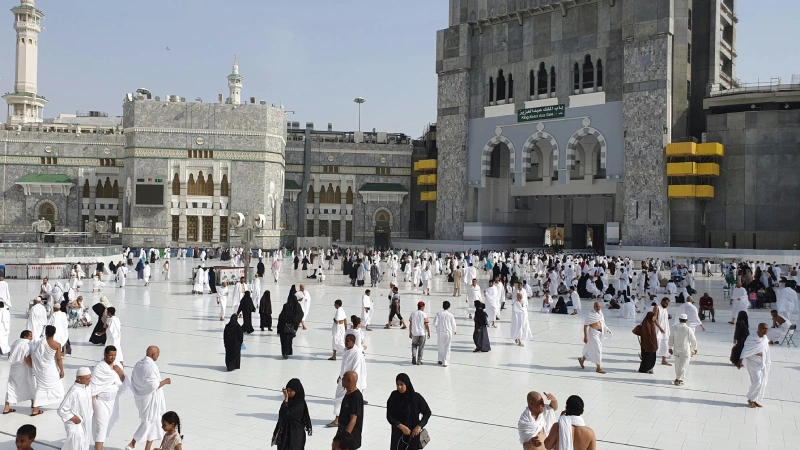
Ihram Rules for Hajj and Umrah: What You Can and Cannot Do
Ihram is one of the most important parts of Hajj and Umrah. It is not only a special dress code. It is a sacred state that begins with intention, Talbiyah, and obedience to Allah. In that state, a pilgrim leaves behind many normal comforts and enters a condition of humility, discipline, and devotion. The Qur'an links pilgrimage with avoiding intimate relations, sin, and argument, reminding pilgrims that the best provision is taqwa. (Quran.com)
Because this topic affects the validity of worship, it needs careful wording. Some actions are prohibited. Some violations require fidyah. Some are sinful, but do not invalidate the whole pilgrimage. And some serious violations, especially sexual intercourse at certain stages of Hajj, can be much more severe than ordinary Ihram mistakes. (Islam-QA)
What Is Ihram?
Ihram is the sacred state a Muslim enters before starting Hajj or Umrah. It includes intention, the Talbiyah, and the restrictions that now apply to the pilgrim. For men, this usually includes the two well-known white cloths. For women, it does not mean a special color or special two-piece garment; rather, they enter Ihram in their normal modest Islamic dress while observing the specific Ihram restrictions for women. (Sunnah.com)
How to Enter the State of Ihram
A pilgrim should prepare before the miqat by bathing, cleaning the body, trimming nails and unwanted hair beforehand, and avoiding perfume after entering Ihram. Then the pilgrim wears the proper clothing, makes the intention, and begins reciting the Talbiyah before crossing the miqat. It is not permissible for someone who intends Hajj or Umrah to pass the miqat without entering Ihram. (Islam-QA)
If someone passes the miqat without Ihram, the basic ruling is that they should return to the miqat and enter Ihram from there. If they do not return and instead enter Ihram later, the majority say a sacrifice in Makkah becomes due. If they forgot and then went back to the miqat, there is no penalty. (Islam-QA)
Ihram Clothing Rules
For men
The Prophet ﷺ forbade the muhrim man from wearing shirts, trousers, turbans, or other head coverings, and hooded garments. This is why scholars explain that the issue is not literally "anything with stitching," but clothing tailored to fit the limbs or body in the usual way, such as shirts, pants, and underwear. Men should also avoid footwear that fully covers the ankles in the normal prohibited manner. (Sunnah.com)
For women
Women do not wear a special white Ihram uniform. They may wear regular modest clothing, but they must not wear the niqab or gloves while in Ihram. At the same time, if non-mahram men pass by, the evidence from Aishah رضي الله عنها shows that they would lower the part of the outer garment over their faces, then uncover it again after the men passed. (Sunnah.com)
What You Can Do in Ihram
Many things remain allowed in the Ihram. A pilgrim may bathe, wash, carry a belt or pouch, use an umbrella, seek medical treatment, and use necessary creams or remedies that are not treated as perfume. Even using shade from a tent, car roof, or umbrella is allowed because it is not the same as wearing a head covering in the prohibited sense. (Islam-QA)
Unscented hygiene products are generally safer for pilgrims, and necessary medical or anti-chafing creams are allowed. This is important because many people make Ihram much harder on themselves than the Shariah requires. (Islam-QA)
For women, one draft point is often overstated: makeup is not, in itself, a core prohibition, unlike perfume. One fatwa notes that unscented makeup would not, in itself, be Haram in Ihram, although avoiding beautification and anything scented is safer and more fitting for the spirit of Ihram. (Islam-QA)
What You Cannot Do in Ihram
The major prohibitions include using perfume, removing hair, trimming nails, sexual intimacy, and conduct leading to desire, hunting land game, and, for men, wearing the prohibited tailored garments and head coverings. For women, the specific prohibition is wearing a niqab and gloves while in Ihram. The Qur'an also forbids rafath, sinful behavior, and arguing during Hajj. (Islam-QA)
This is where precision matters. Not every violation is equal. Speaking harshly or arguing is sinful and against the spirit of pilgrimage, but it is not treated exactly like intercourse, hunting, or passing the miqat without Ihram. (Quran.com)
Common Mistakes in Ihram
A very common mistake is saying "stitched clothing is forbidden" without explanation. That phrase can confuse people into thinking a stitched money belt, stitched sandals, or a stitched shoulder bag are all forbidden. The actual issue for men is wearing garments tailored for the body in the prohibited form, not the mere existence of stitching. (Sunnah.com)
Another common mistake is telling women they must leave their faces exposed in every situation, no matter what. The more careful explanation is that a woman in Ihram should not wear a niqab, but if non-mahram men pass by, she may lower a cloth from above over her face. (Sunnah.com)
A third mistake is assuming every violation has the same kaffarah. That is not correct. Different Ihram violations fall into different legal categories. (Islam-QA)
Expiation for Breaking Ihram Rules
For some common violations, such as removing hair, trimming nails, or using perfume, the fidyah is generally one of three options: slaughtering a sheep, feeding six poor people, or fasting three days. (Islam-QA)
Hunting is different. It has its own specific compensation rules, and the fidyah connected to hunting is treated separately and must be offered in the Haram. (Islam-QA)
Sexual intercourse is the most serious category. Before the first stage of release from Ihram in Hajj, it is far more severe than ordinary violations. It can invalidate the Hajj, requiring its completion and additional expiation, according to the juristic details. That is why this issue should never be simplified as "just pay kaffarah and continue" in every case. (Islam-QA)
Frequently Asked Questions
Can I wear a belt in Ihram?
Yes. Carrying a belt or pouch for money and documents is allowed. The problem is not ordinary useful items, but the specific prohibited clothing forms mentioned in the Sunnah. (Sunnah.com)
What if I forgot to enter the Ihram at the miqat?
You should return to the miqat and enter Ihram from there. If you return and correct it, there is no penalty. If you do not return and enter Ihram later, the majority require a sacrifice. (Islam-QA)
Can I use an umbrella in Ihram?
Yes. Using an umbrella, tent shade, or the roof of a vehicle is allowed and is not considered a prohibited head covering for men. (Islam-QA)
Can women cover their faces in Ihram?
They should not wear a niqab, but if non-mahram men pass by, they may lower a cloth from above to cover their faces. (Sunnah.com)
Conclusion
Ihram is not just about clothing. It is about entering a sacred condition of humility, discipline, and obedience. When a pilgrim understands the rules properly, the journey becomes calmer and more meaningful. It also prevents unnecessary fear, because not every mistake has the same ruling, and not every comfort is forbidden.
The safest way to approach Ihram is to learn the essentials before travel, avoid casual assumptions, and ask a trustworthy scholar if a real mistake happens. That way, your Hajj or Umrah is not only valid outwardly, but also stronger inwardly in taqwa, patience, and devotion.