
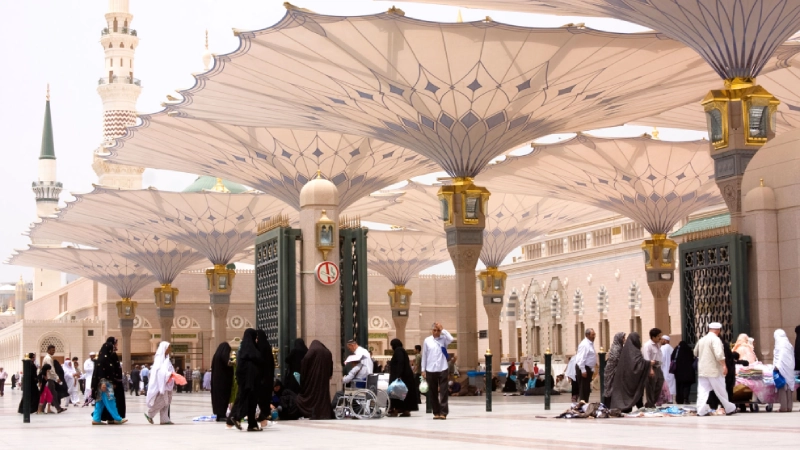
Hajj Rules and Guidelines for Women: A Practical and Complete Guide
I refined your shared draft into a cleaner, more current, and more website-ready professional blog version here.
Hajj is one of the greatest acts of worship in Islam, and for Muslim women, it is a journey of devotion, patience, sacrifice, and nearness to Allah. The Qur'an makes pilgrimage to the House obligatory on those who are able, and the Prophet ﷺ described Hajj as the best jihad for women in the sense of a great act of worship and striving for Allah. (quran.com (Sunnah))
For women, the core rites of Hajj are the same as for men. Still, there are a few rulings and practical issues that require special attention, especially in matters such as travel, Ihram, menstruation, crowd safety, and hair trimming. A woman who understands these rules before departure usually performs Hajj with much more calmness and confidence. (haj.gov.sa (Hajj Ministry)
When Hajj Becomes Obligatory for a Woman
Hajj becomes obligatory for a Muslim woman when she is a Muslim, adult, mentally sound, and genuinely able to undertake the journey. The Qur'an connects the obligation of Hajj to ability, which scholars understand to include practical physical and financial capacity. (quran.com)
So a woman is not required to perform Hajj if she does not have the real ability, such as serious physical weakness or lack of financial means. In practice, the Saudi Ministry of Hajj also advises pilgrims to see a doctor before travel to ensure their health is stable and that they can perform Hajj. (haj.gov.sa (Hajj Ministry)
Traveling With or Without a Mahram
This is one of the most important modern issues for women. Under the current Saudi travel policy, women of all ages may now travel for Hajj or Umrah without a mahram, and a notarized no-objection letter is no longer required. (international.gc.ca (Global Affairs Canada))
At the same time, the classical hadith on this subject is well known: "No woman should travel except with a mahram." Because of that, scholars still discuss the fiqh ruling, and some women choose to follow the stricter classical opinion even though Saudi entry policy now allows solo travel. The safest professional way to explain this is: Saudi law allows it. At the same time, scholarly opinions still differ, so a woman may also consult a trusted scholar about which fiqh view she wishes to follow. (sunnah.com (Global Affairs Canada)
Ihram Rules for Women
A woman enters Ihram by making the intention for Hajj and beginning the Talbiyah. The official Saudi Ihram guide explains that once the pilgrim forms the intention and begins the ritual declaration, she has entered the state of Ihram and must avoid its prohibitions. (haj.gov.sa )
Unlike men, women do not wear a special two-piece Ihram. The official Saudi guide says women may enter Ihram in whatever clothes they want, provided the clothing is loose, covering, and not attractive or ornamental in a way that draws men's attention. The same guide also notes that women perform Talbiyah quietly, unlike men who raise their voices. (haj.gov.sa )
Can Women Cover the Face in Ihram?
This point needs careful wording. The official Saudi Ihram guide lists covering the face among the prohibitions specific to women in Ihram, but it also says that women may cover their faces when they fear temptation or when men are nearby. This reflects the well-known distinction between wearing a fixed face covering as part of Ihram and lowering cloth over the face when needed. (haj.gov.sa )
So the best practical wording is: a woman in Ihram should not wear a fixed niqab in the usual way, but she may lower a cloth over her face when non-mahram men are nearby or when modesty is needed. (haj.gov.sa )
Prohibitions During Ihram
The official Saudi guide lists the main general prohibitions of Ihram, including applying perfume, shaving or clipping nails, sexual relations, entering a marriage contract, and hunting. These are not special to men only; they apply as general Ihram prohibitions. (haj.gov.sa )
In practical terms, a female pilgrim should prepare early by packing unscented toiletries, simple, modest clothing, and comfortable footwear. This makes it easier to avoid unnecessary mistakes after entering the Ihram. (haj.gov.sa (Hajj Ministry)
Tawaf and Sa'i for Women
Women perform Tawaf and Sa'i like men in terms of number and structure, but there are a few important practical differences. The Saudi and scholarly guidance both make clear that women are not required to jog between the green markers in Sa'i; that Sunnah is specific to men. (islamqa.info)
Women should also avoid harming themselves or others in crowded Tawaf. It is not required to push through crowds to reach the Black Stone. The Hajj and Umrah guides explain that the pilgrim recites takbir as they pass the Black Stone and that direct access is not always required, which supports a more careful, modest approach in crowded conditions. (haj.gov.sa )
Stoning the Jamarat
Women perform the stoning of the Jamarat just as men do, but crowd safety is of utmost importance. The official Saudi Jamarat guide states that pilgrims must adhere to the allotted time for their group and coordinate with the competent authorities to ensure the rite remains safe and orderly. (haj.gov.sa )
The same guide explicitly states that the elderly, the weak, the sick, pregnant women, and anyone who fears harm may appoint someone to stone on their behalf. That means delegation is a valid concession for real hardship, but it is not a general rule for all women. (haj.gov.sa )
Muzdalifah and Mina
Women do the same basic rites in Muzdalifah and Mina, but the Sunnah gives mercy and flexibility to those who may struggle with the crowds. The hadith of Sawdah (RA) shows that she was permitted to leave Muzdalifah early because she was heavy and slow. Scholars use this as evidence that women and weaker pilgrims may leave before the main rush when needed. (sunnah.com)
So if a woman is elderly, weak, pregnant, or genuinely fears crowd harm, she may use the valid concessions of Shari'ah rather than forcing herself into unsafe conditions. That is part of the mercy of Hajj, not a weakness in worship. (sunnah.com )
Managing Menstruation During Hajj
Menstruation is one of the most important women's issues in Hajj, and the ruling here is very clear. If a woman gets her period during Hajj, her Hajj is not invalidated. The Prophet ﷺ told Aisha (RA): "Do what all the pilgrims do except that you do not perform Tawaf around the Ka'bah until you are clean." (sunnah.com)
This means a menstruating woman may continue the other rites of Hajj, but she must delay Tawaf until she becomes pure. If her period starts before Tawaf al-Ifadah, she should wait and complete that Tawaf after purification. (sunnah.com)
Hair Trimming for Women
Women do not shave their heads in Hajj or Umrah. The official Saudi Umrah guide states that women gather their hair and cut it from the ends by approximately 1–2 cm, or a fingertip. That is the normal completion method for women after the rite, unlike men, who may shave or trim. (haj.gov.sa )
Practical Tips for Women During Hajj
A woman's Hajj becomes easier when she plans for both comfort and modesty. The Saudi Ministry of Hajj recommends seeing a doctor before travel, carrying enough medication, maintaining hygiene, using masks in crowded places, staying hydrated, avoiding excessive sun exposure, and wearing loose, light clothing. (haj.gov.sa (Hajj Ministry)
So some of the best practical tips are simple: wear breathable clothing, choose comfortable footwear, carry unscented toiletries, keep a small personal bag, drink water regularly, and avoid exhausting yourself in avoidable crowds. These are not minor details. They protect both health and concentration in worship. (haj.gov.sa (Hajj Ministry)
Frequently Asked Questions
Can a woman currently travel for Hajj without a mahram?
According to current Saudi travel rules, yes. Women of all ages may now travel for Hajj or Umrah without a mahram, though some scholars still maintain the classical fiqh requirement and advise consultation. (international.gc.ca (Global Affairs Canada)
Can a woman wear a niqab in Ihram?
The safer explanation is that she should not wear a fixed face covering in the traditional niqab style during Ihram, but may lower a cloth over her face when men are nearby or as needed. (haj.gov.sa )
What if she gets her period during Hajj?
She continues the other rites of Hajj and delays Tawaf until she becomes pure. (sunnah.com)
Do women run between the green markers in Sa'i?
No. That Sunnah is for men, not for women. (islamqa.info)
Can a woman appoint someone to stone her on her behalf?
Yes, if she is elderly, sick, weak, pregnant, or fears harm. (haj.gov.sa )
Conclusion
Hajj is one of the most beautiful and life-changing acts of worship for a Muslim woman. The key to performing it well is not fear, but preparation. When a woman understands the current travel rules, the rulings on Ihram, the issue of menstruation, crowd-related concessions, and practical health advice, she can perform Hajj with much more peace and confidence. (haj.gov.sa (Hajj Ministry))
May Allah make Hajj easy for every female pilgrim, protect them in the holy lands, and accept their worship with mercy and honor.